From Farm to Plate
Planting
The first stage
The journey of premium toor dal begins at the farm. Farmers carefully select high-quality seeds and plant them in fertile soil under suitable climatic conditions.
Using a balanced combination of traditional farming wisdom and modern agricultural practices, crops are nurtured with proper irrigation, soil care, and natural nutrients. Continuous monitoring ensures healthy plant growth and strong crop development.
This careful cultivation helps produce strong, healthy pulses that form the foundation of high-quality toor dal.
Harvesting
The Second stage
Once the crop reaches the ideal maturity stage, harvesting begins. Farmers carefully harvest the pods to ensure the grains maintain their natural quality and nutritional value.
The harvested crop is then separated, cleaned, and prepared for transportation. Efficient harvesting techniques help preserve the quality of the grains while reducing damage and loss.
The raw pulses are then transported to the processing facility for further refinement.
Processing
The Third stage
At our processing facility, the harvested pulses undergo multiple stages of cleaning and refinement using advanced machinery and strict quality control.

A. Pre-Cleaning
Raw pulses are cleaned to remove dust, stones, husk, and other impurities.
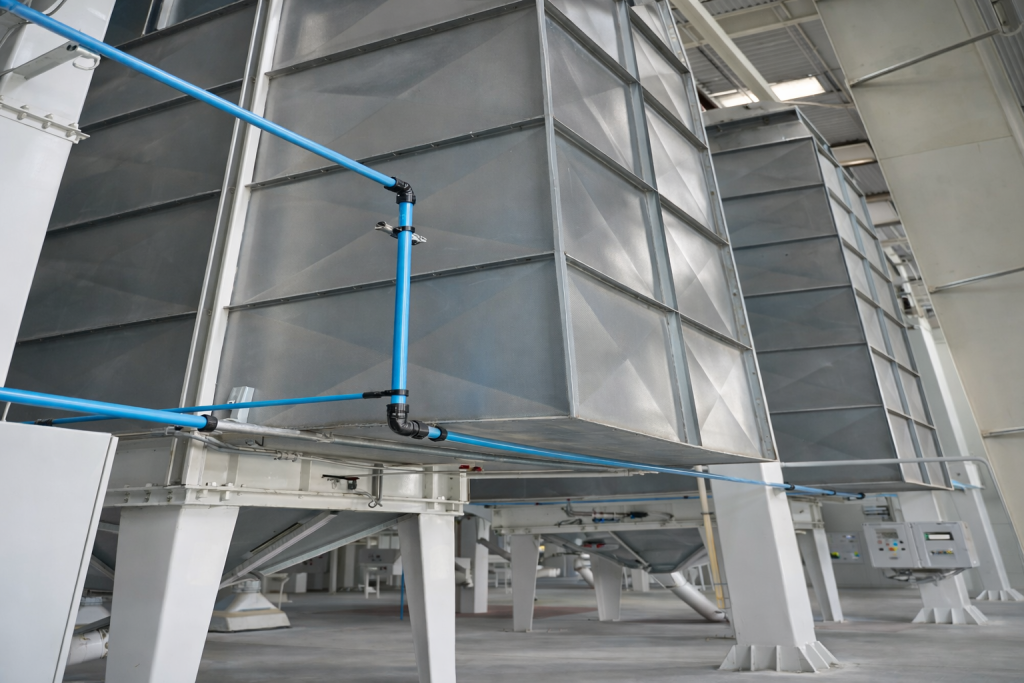
B. Drying & cooling
The grains are conditioned and dried to achieve the ideal moisture level required for efficient milling.

C. De-Husking
Specialized machines remove the outer husk while protecting the inner grain.
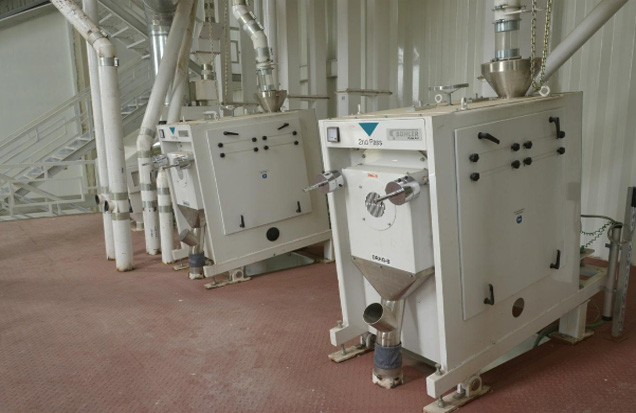
D. Splitting & Grading
The pulses are split into dal and graded based on size and quality to maintain uniform standards.
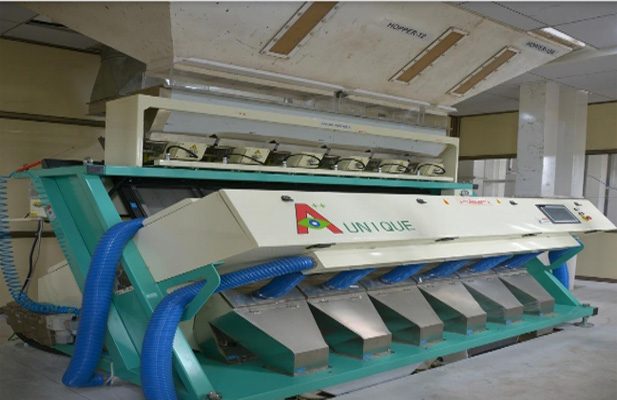
E. Sorting
The final polishing process enhances the appearance of the dal while maintaining its natural nutritional properties.
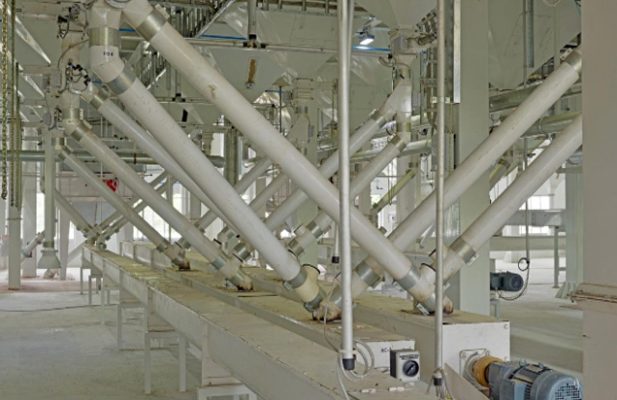
F. Polishing
The final polishing process enhances the appearance of the dal while maintaining its natural nutritional properties.
Packaging
The Final stage
Once the crop reaches the ideal maturity stage, harvesting begins. Farmers carefully harvest the pods to ensure the grains maintain their natural quality and nutritional value.
The harvested crop is then separated, cleaned, and prepared for transportation. Efficient harvesting techniques help preserve the quality of the grains while reducing damage and loss.
The raw pulses are then transported to the processing facility for further refinement.